Water is essential to our daily lives, whether it’s for drinking, cooking, or cleaning. While your water may appear clean, it can sometimes contain hidden contaminants that pose risks to your health and home. This is why regular water testing is crucial. Testing your water provides a clear understanding of its quality, helping you make informed decisions to protect your family’s health and your household appliances.
How Do I Get My Water Tested in Texas?
In Texas, you can have your water tested by contacting a professional water testing service or certified laboratory. For homeowners with private wells, it’s essential to regularly test your water for contaminants, as public health authorities do not regulate private wells. Many counties and cities offer local resources or testing programs, and companies like JRC Home Solutions can perform in-depth water testing and analysis.
The Texas Department of State Health Services provides a list of certified labs you can contact for testing services. You can also check with the Texas Commission on Environmental Quality (TCEQ) for recommended guidelines on water testing frequency and safety.
What is the Most Accurate Way to Test Water?
The most accurate way to test water is through laboratory testing. Lab tests offer precise and comprehensive results that cover a wide range of contaminants, including bacteria, heavy metals, pesticides, and other chemicals. Home water testing kits are available, but they may not be as accurate or detailed as laboratory analysis. Professional water testing services, like those offered by JRC Home Solutions, provide highly accurate results and can recommend the best treatment options based on the findings.
What Are the Three Types of Water Testing?
There are three primary types of water testing:
- Bacteriological Testing: This type of testing identifies harmful bacteria, including coliforms like E. coli, which can indicate fecal contamination.
- Chemical Testing: This test checks for contaminants such as nitrates, lead, arsenic, pesticides, and chlorine.
- Physical Testing: This type examines water’s physical properties, such as color, odor, taste, and turbidity (cloudiness).
Together, these tests provide a comprehensive picture of your water quality and help detect issues that may not be visible or detectable through taste and smell alone.
Why You Should Get Your Water Tested in Your Home or Business
1. Protect Your Family’s Health
The primary reason to test your water is to ensure it is safe for consumption. Water can contain a variety of harmful contaminants, such as lead, bacteria, nitrates, arsenic, pesticides, and other chemicals that can adversely affect your health. Contaminants in drinking water have been linked to numerous health problems, including gastrointestinal issues, neurological disorders, and developmental delays in children.
For example, lead contamination, often found in older homes with outdated plumbing, can cause severe health issues, especially in young children and pregnant women. High nitrate levels, common in agricultural areas, can lead to a condition called “blue baby syndrome,” which reduces the blood’s ability to carry oxygen. Water testing helps identify these hidden dangers so you can take steps to remove them before they harm your family.
2. Identify Contaminants Specific to Your Area
Different geographic regions face varying water quality challenges. In rural areas, well water may be contaminated by nearby agricultural runoff, while urban areas may suffer from old infrastructure leading to issues such as lead or copper contamination. By testing your water, you can detect contaminants that are specific to your area and take action to resolve any issues.
For example, homes in regions with high mineral content may deal with hard water, which contains excessive calcium and magnesium. Hard water can cause scale buildup in pipes and appliances, lowering efficiency and shortening their lifespan. Testing your water can help determine if hard water is an issue and whether you need a water softener or filtration system.
3. Ensure the Effectiveness of Your Water Treatment System
If you already have a water treatment system in place, regular testing ensures it’s doing its job. Over time, filters and treatment systems can wear down or become less effective, allowing contaminants to pass through unnoticed. Water testing provides ongoing verification that your system is still functioning correctly and effectively removing harmful elements from your water supply.
For example, reverse osmosis systems, water softeners, and whole-house filters require routine maintenance to ensure optimal performance. Testing your water can alert you if filters need to be replaced or if the system needs adjustment.
4. Detect Changes in Water Quality
Even if your water has always seemed fine, it’s important to test it regularly to monitor any changes in its quality. Water sources can change over time due to environmental factors, construction, natural disasters, or seasonal changes. Groundwater contamination, for example, may be influenced by floods or heavy rains, while chemical spills or nearby industrial activities can lead to sudden water pollution.
By regularly testing your water, you’ll be able to catch any unexpected changes before they become a bigger problem. This is especially important for homeowners who rely on well water, which is not regulated by the EPA and must be maintained privately.
5. Protect Your Plumbing and Appliances
Water that is high in minerals (hard water) or contains excessive chlorine can cause damage to your plumbing system and appliances. Hard water leads to scale buildup inside your pipes, reducing water flow and increasing the likelihood of clogs and leaks. It also shortens the lifespan of appliances such as dishwashers, washing machines, and water heaters by leaving mineral deposits on heating elements and internal parts.
Chlorinated water can corrode metal pipes and affect the taste of your drinking water. By testing your water, you can identify these issues and take steps to protect your plumbing and appliances. Installing water softeners or filtration systems can help extend the life of your appliances and save you money on repairs and replacements in the long run.
6. Comply with Local Regulations and Recommendations
In some areas, water testing may be required or strongly recommended, especially for private wells or community water systems. Local authorities or health departments may advise regular water testing to ensure compliance with safety standards and regulations. Testing your water can help you stay compliant with these regulations and provide peace of mind knowing that your water supply meets the required health standards.
7. Prevent Unpleasant Tastes and Odors
Even if your water is safe to drink, it may still have an unpleasant taste or smell caused by contaminants such as chlorine, sulfur, or organic materials. Water testing can help identify the source of these issues, allowing you to take steps to improve the taste and odor of your water. For example, high levels of chlorine, while used to disinfect public water supplies, can give your water a bleach-like taste. A water filtration system can effectively remove these chemicals and provide you with fresher, better-tasting water.
Similarly, water with high iron or sulfur content can have a metallic taste or a rotten-egg odor. Testing will reveal these elements so you can treat your water accordingly.
8. Ensure Water Safety for Private Wells
If your home relies on a private well, it’s essential to test your water regularly. Unlike public water systems, which are regulated by the Environmental Protection Agency (EPA), private wells are not subject to the same regulations. Well water is vulnerable to contamination from nearby agricultural activity, industrial pollution, and natural sources like radon or arsenic.
The EPA recommends testing well water at least once a year for bacteria, nitrates, and other contaminants. Testing provides critical information on the safety of your well water and allows you to take corrective actions when necessary.
What is the Most Important Water Test?
The most important water test depends on your specific water source and potential contamination risks. However, for most homeowners, a bacteriological test is critical. This test checks for harmful bacteria, including E. coli and coliform bacteria, which can pose immediate health risks. If you rely on well water, testing for nitrates is also essential, especially in agricultural areas, as high nitrate levels can be harmful to infants and pregnant women.
For homes with older plumbing, testing for lead is crucial, as lead contamination can occur in pipes and fixtures and cause serious health issues.
What is the Standard for Water Testing?
In the United States, the Environmental Protection Agency (EPA) sets the standards for drinking water quality through the Safe Drinking Water Act (SDWA). Public water systems must meet EPA standards, which regulate over 90 different contaminants, including bacteria, chemicals, and metals. For private wells, homeowners are responsible for testing, and the EPA recommends yearly testing for bacteria, nitrates, and any specific local concerns.
Following these standards, professional water testing services ensure that your water meets the necessary safety and quality benchmarks for consumption.
How Do I Check If My Water is Safe to Drink?
To check if your water is safe to drink, start by conducting a basic water test through a certified lab or using a home testing kit. If you notice unusual smells, tastes, or discoloration, this could indicate contamination. For well water users, it’s important to test for bacteria, nitrates, and any specific contaminants based on your location.
Additionally, if you receive water from a public utility, you can check your Consumer Confidence Report (CCR), which is an annual water quality report provided by your local water supplier. This report includes information about the source of your water, the contaminants detected, and whether your water meets EPA standards.
How to Check Water Quality?
To check your water quality:
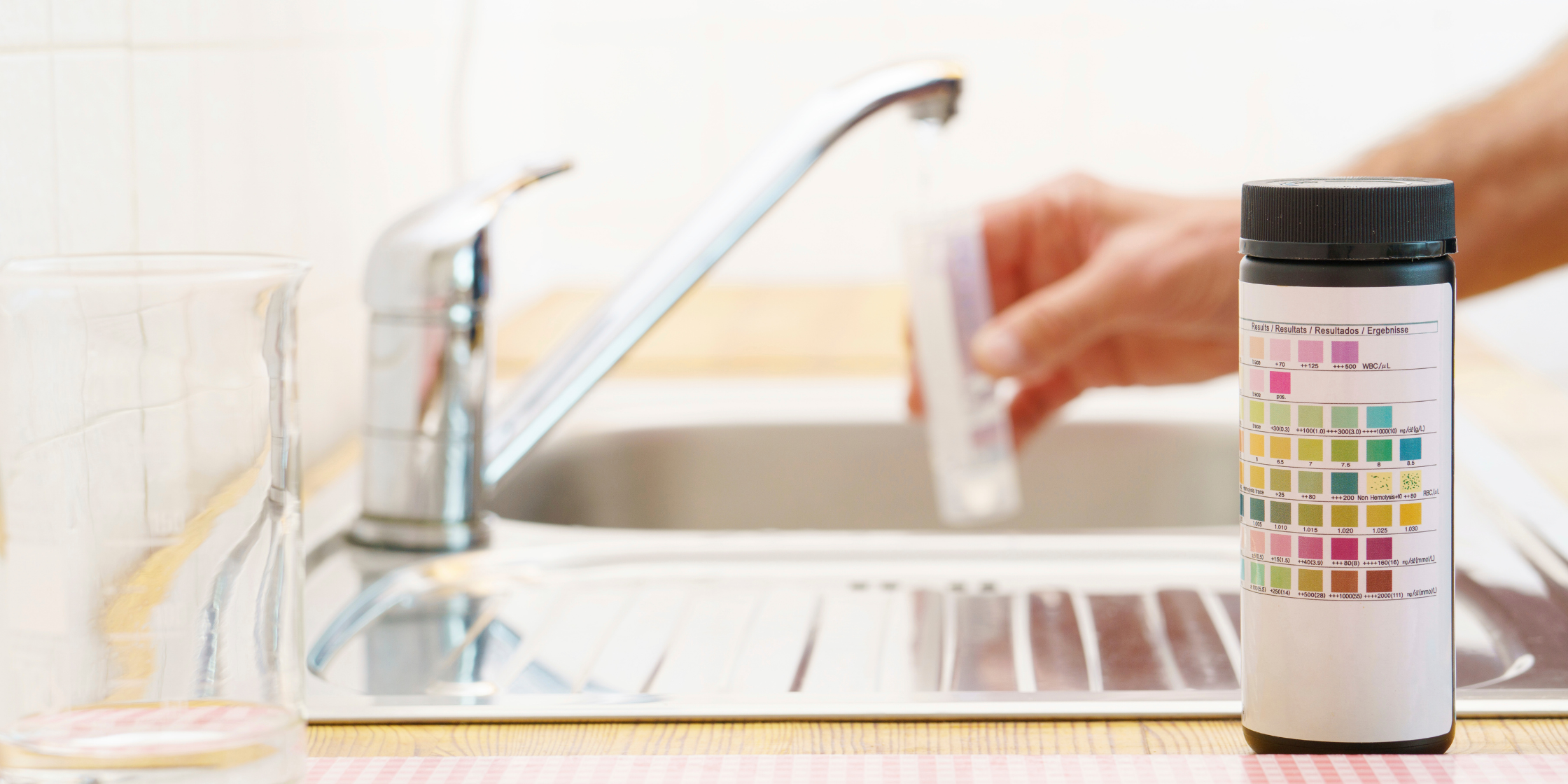
- Use a Home Testing Kit: These kits are available for common contaminants like chlorine, pH levels, and hardness. While convenient, they are not as comprehensive as lab tests.
- Contact a Professional Service: Certified labs and water treatment companies can perform detailed tests for contaminants like heavy metals, bacteria, and chemicals.
- Review Your Water Quality Report: If you use public water, review the CCR to see what contaminants, if any, are present in your water.
- Monitor Physical Changes: Unusual color, odors, or taste in your water can signal contamination, so don’t ignore these signs.
What Are 4 Water Quality Parameters That Should Be Regularly Tested?
The four water quality parameters that should be regularly tested include:
- pH Levels: A neutral pH is important for preventing corrosion in pipes and ensuring that your water is neither too acidic nor too basic.
- Hardness: Hard water can damage appliances, clog pipes, and reduce the effectiveness of soaps and detergents.
- Total Dissolved Solids (TDS): TDS measures the concentration of dissolved substances in water, which can affect taste and safety.
- Bacteria: Regular testing for bacteria like E. coli and coliforms is critical, especially for private wells, to prevent waterborne diseases.
Take Control of Your Water Quality Today
Water testing is a simple yet vital step in ensuring the health and safety of your home. By identifying contaminants, protecting your plumbing and appliances, and ensuring the effectiveness of your water treatment systems, testing helps you take control of your water quality and make informed decisions about your home’s water supply.
At JRC Home Solutions, we offer water testing services to identify and resolve any issues in your water. Whether you rely on a public water supply or a private well, our team is ready to help you ensure your water is clean, safe, and of the highest quality. Contact us today to schedule your water test and take the first step towards better water for your family and home!