Hard water is a common issue in many homes, particularly in regions with high mineral content in the groundwater. While it might not seem like a big deal at first, the long-term effects of hard water can be quite damaging, particularly to your home’s appliances and plumbing system. The high levels of calcium and magnesium in hard water can lead to scale buildup, reduced efficiency, and even the premature failure of your appliances. Understanding how hard water affects your home is crucial in preventing costly repairs and maintaining the efficiency of your household systems. By taking proactive steps, you can protect your home and ensure that your appliances and plumbing operate smoothly for years to come.
What is Hard Water?
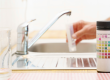
Hard water is water that contains a high concentration of dissolved minerals, primarily calcium and magnesium. These minerals are picked up as water moves through soil and rock, entering your home through the water supply. The hardness of water is typically measured in grains per gallon (GPG) or parts per million (PPM), and water is considered “hard” when it contains more than 7 GPG or 120 PPM. While hard water is generally safe to drink, it can cause a range of problems for your home’s plumbing and appliances, as well as impact the effectiveness of soaps and detergents. Installing a water softener is an effective way to address these issues, providing softer water that is gentler on your home and more efficient for daily use.
How Long Does it Take for Hard Water to Damage Appliances?
The timeline for hard water to start causing noticeable damage to appliances can vary depending on the hardness of the water and the frequency of appliance use. In general, you may start to see the effects of hard water within a few months to a year of use. For example, minor scale buildup in your water heater might reduce efficiency after just a few months, while more severe damage, such as a complete appliance failure due to scale buildup, could take several years. Regular maintenance and descaling can help mitigate these effects, but the damage can accumulate quickly without proper treatment.
Does Hard Water Really Affect Appliances?
Yes, hard water significantly affects appliances. The minerals in hard water, particularly calcium and magnesium, cause scale buildup on heating elements, valves, and other critical components of appliances like water heaters, dishwashers, washing machines, and coffee makers. This buildup can reduce the efficiency of these appliances, increase energy consumption, and lead to more frequent repairs or even premature failure. Hard water also makes it more difficult for soap to lather, leaving a residue on dishes and clothes, and can lead to clogged pipes and fixtures, further exacerbating appliance issues.
How Hard Water Affects Your Appliances
- Reduced Efficiency of Water Heaters
One of the most significant impacts of hard water is on your water heater. The minerals in hard water, particularly calcium, tend to precipitate out when the water is heated, forming a layer of sediment at the bottom of the water heater tank. Over time, this sediment layer thickens, reducing the efficiency of the heater by creating an insulating barrier between the heating element and the water. This means your water heater has to work harder and use more energy to heat the water, leading to higher energy bills and a shorter lifespan for the appliance. In fact, studies have shown that a mere 1/16-inch layer of scale on a heating element can reduce efficiency by 20%.
The buildup of scale can lead to “hot spots” on electric water heaters, where the heating element is surrounded by scale, causing it to overheat and eventually fail. In gas water heaters, scale buildup can cause the burner to work harder, which not only reduces efficiency but also increases the risk of the tank overheating and cracking.
- Shortened Lifespan of Washing Machines and Dishwashers
Hard water is also tough on your washing machine and dishwasher. The minerals in hard water can cause scale buildup on internal components, such as heating elements, pumps, and valves. This buildup can lead to clogs, reduced efficiency, and eventually, mechanical failure. For example, the accumulation of minerals can cause the solenoid valves that control water flow to become less effective, leading to water pressure issues and incomplete cycles.
Hard water can make it more difficult for soap to lather and rinse off, leaving your clothes and dishes with a residue that feels stiff or looks spotty. Over time, this constant exposure to hard water can significantly shorten the lifespan of these appliances. Research suggests that washing machines used with hard water can have their lifespan reduced by as much as 30%, requiring more frequent repairs or replacements.
- Decreased Efficiency of Coffee Makers and Kettles
Small kitchen appliances, such as coffee makers and kettles, are particularly vulnerable to the effects of hard water. The mineral buildup inside these appliances can reduce their efficiency and lead to longer brew times or the need for more frequent descaling. For instance, scale buildup can clog the small tubes and heating elements within a coffee maker, resulting in slower water flow and inconsistent brewing temperatures, which ultimately affects the taste of your coffee.
In kettles, hard water can cause a white, chalky deposit to form on the heating element and the kettle’s interior surfaces. This not only reduces the appliance’s efficiency but also increases the time it takes to boil water, wasting energy in the process. In extreme cases, the buildup can cause the appliance to fail entirely, requiring costly replacements.
How to Protect Appliances from Hard Water
Protecting your appliances from hard water damage is crucial to extending their lifespan and maintaining efficiency. Here are some practical steps you can take:
- Install a Water Softener
The most effective way to protect your appliances from the effects of hard water is to install a water softener. A water softener works by exchanging the calcium and magnesium ions in hard water with sodium or potassium ions, effectively “softening” the water. This reduces the likelihood of scale buildup and extends the lifespan of your appliances. By softening your water, you can prevent the damage caused by hard water and enjoy cleaner dishes, brighter laundry, and lower energy bills.
Water softeners are available in various sizes and configurations, allowing you to choose a system that best fits your home’s needs. Many modern water softeners are equipped with advanced features such as digital controls, automatic regeneration, and water usage monitoring, making them more efficient and easier to maintain.
- Regular Maintenance and Descaling
Even with a water softener, it’s important to regularly maintain and descale your appliances and plumbing fixtures. This helps remove any residual mineral buildup and keeps your systems running efficiently. For appliances like coffee makers and kettles, descaling solutions can be used to dissolve mineral deposits and restore functionality. For plumbing fixtures, regular cleaning and inspections can help identify and address any issues before they become more serious.
Regular maintenance of your water heater, for example, may involve flushing the tank annually to remove sediment buildup. Similarly, replacing the aerators on faucets and cleaning shower heads with vinegar can help maintain proper water flow and prevent scale buildup.
- Use a Whole House Water Filtration System
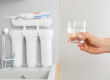
In addition to a water softener, consider installing a whole house water filtration system. These systems can filter out additional contaminants, such as chlorine, sediment, and other particulates, improving the overall quality of your water. By combining a water softener with a whole house filtration system, you can provide comprehensive protection for your appliances and plumbing, ensuring that your home remains in top condition.
Whole house filtration systems can be tailored to address specific water quality issues in your area, such as high levels of iron or sulfur, providing you with water that not only protects your home but also tastes better and smells fresher.
How to Remove Hard Water from Appliances
If your appliances have already been affected by hard water, there are steps you can take to remove the mineral buildup:
- Descaling Solutions
For appliances like coffee makers, kettles, and dishwashers, using a descaling solution can help dissolve and remove the mineral deposits caused by hard water. These solutions are often acidic, such as vinegar or citric acid, and work by breaking down the scale so it can be rinsed away.
- Vinegar Soak
For smaller appliances and fixtures, a vinegar soak can be an effective way to remove scale buildup. Simply soak the affected parts in white vinegar for several hours, then scrub away the loosened deposits with a brush. This method works well for showerheads, faucet aerators, and kettle heating elements.
- Regular Cleaning
For ongoing protection, clean your appliances regularly to prevent the buildup of minerals. Wipe down surfaces that come into contact with water, such as dishwasher racks and washing machine drums, and use appropriate cleaning agents that help to break down and remove scale.
How Hard Water Affects Your Plumbing
- Scale Buildup in Pipes
The most visible and potentially damaging impact of hard water on plumbing is the buildup of scale inside your pipes. As hard water flows through your plumbing system, the dissolved minerals, primarily calcium and magnesium, begin to precipitate out of the water and cling to the walls of the pipes. Over time, this scale buildup can narrow the diameter of the pipes, reducing water flow and pressure. This can be particularly problematic in older homes with narrower pipes, where the reduced flow can become noticeable much more quickly.
In severe cases, the pipes can become completely clogged, leading to expensive repairs and replacements. The cost of replacing clogged pipes can be substantial, especially if the buildup is widespread throughout the home. Additionally, scale buildup can cause your water pressure to fluctuate, leading to inconsistent water flow from faucets and showers, which can be both inconvenient and frustrating.
- Increased Wear and Tear on Fixtures
Hard water also takes a toll on your plumbing fixtures, such as faucets, showerheads, and valves. The mineral deposits from hard water can cause these fixtures to become less efficient and more prone to leaks. For example, scale buildup inside a faucet can cause it to drip, while mineral deposits in a showerhead can reduce water flow and create an uneven spray. Over time, these deposits can harden, making it difficult to clean the fixtures and restore their original functionality.
These issues not only reduce the functionality of your fixtures but also lead to higher water bills and more frequent repairs. For instance, a leaky faucet can waste up to 3,000 gallons of water per year, significantly increasing your water costs. Moreover, the aesthetic impact of hard water on fixtures cannot be overlooked—mineral deposits can leave unsightly white or green stains on faucets, showerheads, and other metal surfaces, which can be difficult to remove without harsh chemicals.
- Corrosion of Metal Pipes
While hard water is not as corrosive as soft water, it can still contribute to the corrosion of metal pipes over time. The minerals in hard water can react with the metal, leading to the formation of rust and other corrosive substances. This corrosion weakens the pipes and increases the likelihood of leaks or bursts, which can cause significant water damage to your home. Copper pipes, in particular, are susceptible to this type of corrosion, which can lead to pinhole leaks that are difficult to detect until they cause noticeable damage.
Corrosion caused by hard water can also lead to the discoloration of your water, as rust particles are carried through the pipes and into your taps. This can make your water appear brown or yellow, which is not only unappealing but also indicates that your pipes may be deteriorating from the inside out.
Protect Your Home from the Hidden Dangers of Hard Water
Hard water can have a profound impact on your home, from reducing the efficiency of your appliances to causing significant damage to your plumbing system. By understanding the effects of hard water and taking steps to address them, you can protect your home from costly repairs and ensure that your appliances and plumbing operate efficiently for years to come. At JRC Home Solutions, we specialize in providing high-quality water treatment solutions, including water softeners and whole house filtration systems, designed to tackle hard water issues. Contact us today to learn how we can help you protect your home and enjoy the benefits of soft, clean water.