

If you live in Houston, you have probably noticed it. Spots on dishes. Dry skin. Soap that never quite lathers. Appliances that seem to wear out too fast.
Hard water is common across Southeast Texas. The question is not whether you need treatment. The real question is this:
Do you need a water conditioner or a water softener?
If you are comparing a water conditioner vs water softener for your Texas home, this guide will break it down clearly so you can choose the right solution.
Why Houston Homes Struggle with Hard Water
Houston water contains elevated levels of calcium and magnesium. These minerals are not harmful to drink, but they create buildup inside pipes, water heaters, dishwashers, and washing machines.
Over time, hard water can:
- Leave scale buildup on fixtures
- Reduce appliance efficiency
- Cause dry skin and brittle hair
- Make laundry feel stiff
- Increase energy bills
That is why many homeowners look into installing a Texas water softener or alternative system.
What Is a Water Softener?
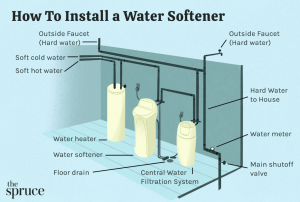
A water softener removes hardness minerals from your water through a process called ion exchange.
It works by replacing calcium and magnesium with sodium or potassium. The result is truly softened water that does not leave scale behind.
Benefits of a Water Softener
- Eliminates scale buildup
- Extends the life of plumbing and appliances
- Improves soap lather
- Leaves skin and hair feeling smoother
- Reduces spotting on glassware
Considerations
- Requires salt refills
- Uses a regeneration cycle
- Slightly increases sodium content in water
For homes with moderate to severe hard water, a water softener is often the most effective long term solution.
What Is a Water Conditioner?
A water conditioner does not remove minerals. Instead, it changes the way they behave in water.
Most salt free water conditioners use a process that alters mineral structure so they are less likely to stick to surfaces and form hard scale.
Benefits of a Water Conditioner
- No salt required
- Low maintenance
- No regeneration cycle
- Environmentally friendly
Considerations
- Does not fully remove hardness minerals
- May not be strong enough for very hard Texas water
- Does not provide the same silky water feel as a softener
Water conditioners are typically better suited for homes with mild to moderate hardness where scale prevention is the main goal.
Here is a simple breakdown for Houston homeowners:
| Feature | Water Softener | Water Conditioner |
| Removes calcium and magnesium | Yes | No |
| Prevents scale buildup | Yes | Helps reduce |
| Requires salt | Yes | No |
| Maintenance level | Moderate | Low |
| Best for very hard water | Yes | Not ideal |
| Changes feel of water | Yes | Minimal |
Which Is Better for Houston Homes?
Houston water tends to lean on the harder side compared to many other areas in Texas. Because of that, a traditional water softener often provides stronger, more noticeable results.
If your goals are:
- Protecting expensive appliances
- Preventing long term plumbing damage
- Improving skin, hair, and laundry quality
- Eliminating visible scale
A water softener is typically the better investment.
If your goals are:
- Reducing minor scale
- Avoiding salt maintenance
- Installing a lower maintenance system
A water conditioner may work well for you.
Making the Right Investment
Choosing between a water conditioner vs water softener in Texas is not just about preference. It is about performance.
For many Houston homeowners, a properly sized water softener delivers the most reliable protection and comfort. But every home is different.
If you are unsure which system makes sense for your household, the best next step is a professional evaluation.
Cleaner water. Better appliance life. Softer skin. Lower long term repair costs.
It starts with choosing the right system.


