
Hard water is a common issue in many households, especially in areas where groundwater contains high levels of minerals like calcium and magnesium. These minerals may not harm your health, but they can cause frustrating problems around the home – from leaving spots on dishes to making skin feel dry after a shower. Knowing if you have hard water and how to address it can improve the quality of water in your home and make daily tasks easier. Here’s how to identify hard water and the most effective solutions for dealing with it, including options from JRC Home Solutions.
What is Hard Water?
Hard water contains high levels of dissolved minerals, primarily calcium and magnesium. These minerals get into the water as it travels through rock layers and soil, particularly limestone, which is rich in calcium. While the minerals in hard water are natural, they can cause unwanted buildup on pipes, faucets, and even appliances, potentially leading to maintenance issues over time. Many homeowners don’t realize they have hard water until they start to notice the tell-tale signs.
Signs You Have Hard Water
Wondering if you have hard water? Here are some common signs to look for:
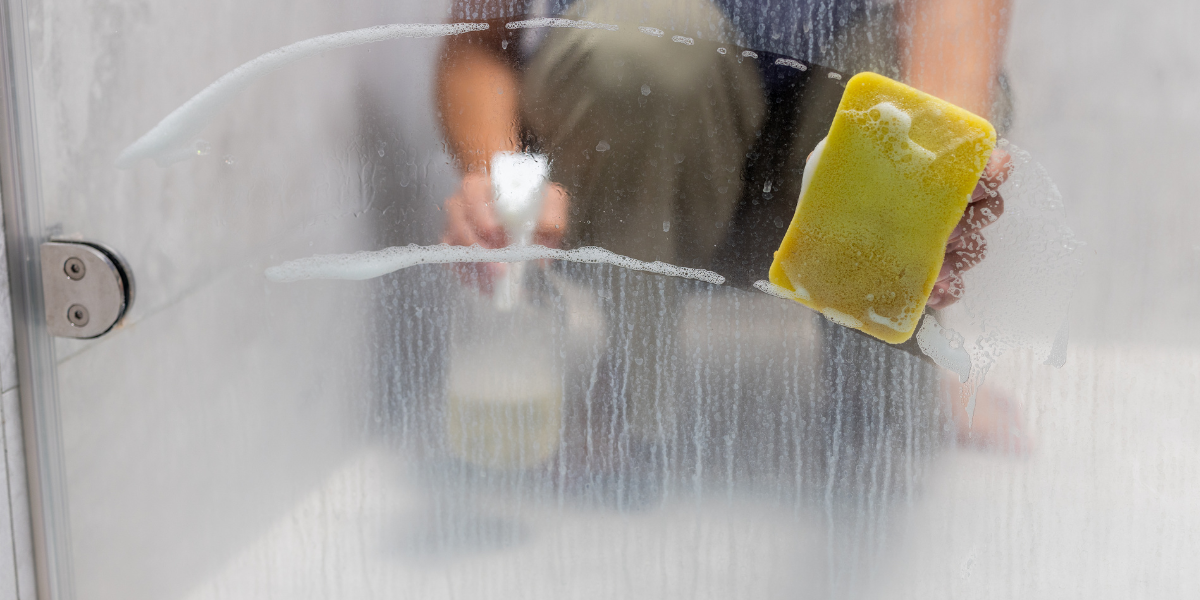
- Soap Scum in the Shower: If you notice white, filmy soap scum on shower doors, walls, or bathtubs, it could be a sign of hard water. The minerals in hard water react with soap, creating this residue.
- Water Spots on Dishes and Glasses: Hard water leaves mineral deposits on dishes and glassware, resulting in white or cloudy spots that don’t come off easily, even with washing.
- Reduced Water Pressure: Over time, hard water can lead to mineral buildup in pipes, which restricts water flow and reduces water pressure.
- Dry Skin and Hair: Hard water makes it harder to rinse off soap and shampoo, which can leave skin feeling dry and itchy and make hair appear dull or lifeless.
- Dingy Clothes After Washing: Minerals in hard water can get trapped in fabric, causing clothes to look dingy or feel stiff, even after being washed.
How to Test for Hard Water
There are simple ways to test for hard water at home:
- Soap Test: Fill a clear bottle halfway with water, add a few drops of liquid soap, and shake it. If the water foams easily and has bubbles, your water is likely soft. If it doesn’t foam well and looks milky or cloudy, you may have hard water.
- DIY Hard Water Test Kit: You can purchase an affordable hard water test kit from a home improvement store. These kits come with strips that you dip in water. They’ll change color to indicate the hardness level.
- Professional Water Testing: For the most accurate results, consider a professional water test. JRC Home Solutions offers professional testing to help you confirm your water’s mineral content and hardness level.
Why You Should Address Hard Water
Although hard water isn’t harmful to drink, addressing it can prevent the mineral buildup that damages plumbing fixtures, reduces appliance efficiency, and contributes to dry skin and hair. Taking action to manage hard water can also extend the life of your appliances and reduce the need for extra cleaning.
Solutions for Hard Water Problems
If you’ve identified hard water in your home, there are several options for addressing it. Here are some practical at-home remedies and a more permanent solution from JRC Home Solutions.
At-Home Remedies
- Vinegar Soaks for Buildup Removal: Vinegar can be a natural remedy for removing hard water buildup. Try soaking fixtures like showerheads and faucets in vinegar to dissolve mineral deposits. For dishwashers, add a cup of vinegar to an empty cycle to help remove mineral buildup.
- Baking Soda for Laundry: Adding a half-cup of baking soda to laundry can help soften water slightly, which might reduce stiffness in clothes. Baking soda acts as a water softener, neutralizing the minerals that make water hard and improving the feel of your laundry.
- Boil Water for Drinking: If your hard water leaves a noticeable taste, boiling it can temporarily reduce its hardness. While it won’t solve the issue entirely, boiling helps precipitate out some of the minerals, leaving you with slightly softer water for drinking.
Install a Hard Water System with JRC Home Solutions
For a more comprehensive and effective solution, a hard water softening system is your best bet. A water softening system from JRC Home Solutions can eliminate up to 99% of the minerals that make water hard, providing your home with soft, mineral-free water. A professional-grade water softener will:
- Reduce Mineral Buildup: Prevent scaling in pipes, faucets, and appliances, helping them last longer and run more efficiently.
- Improve Skin and Hair: Soft water rinses away soap and shampoo more effectively, reducing dryness and improving the overall condition of your skin and hair.
- Enhance Laundry Results: Softened water improves the effectiveness of detergent, so clothes feel softer, look brighter, and last longer.
Why Choose JRC Home Solutions for Your Water Softening Needs?
At JRC Home Solutions, we specialize in helping homeowners find the right solutions for their water quality concerns. Our team can help you test your water, identify your needs, and install a high-quality water softening system that meets your family’s demands. By choosing JRC Home Solutions, you’re not only investing in a solution that enhances your home’s water quality but also working with experts who care about your satisfaction and the longevity of your home.
If you’re ready to eliminate hard water issues for good, contact JRC Home Solutions today. Let us help you enjoy the benefits of soft water, from easier cleaning to healthier skin and hair.


